
Why Is My Hair Falling Out? Perimenopause, Hair Loss, and What You Can Do
Written by Dr Shauna Watts, GP with special interest in perimenopause and menopause care.
It's More Common Than You Think
If you’ve noticed more hair in the shower drain, thinning at your temples, or a ponytail that feels noticeably thinner than it used to – you’re not imagining it. Hormonal hair loss is one of the most distressing symptoms of perimenopause, and one of the most under-discussed.
As a GP with a special interest in perimenopause and menopause care, I hear about this every single week. Women who are holding handfuls of hair and wondering what on earth is happening. So let me explain exactly what’s going on – and what actually helps.
Why Does Perimenopause Cause Hair Loss?
The short answer is oestrogen. During perimenopause, your oestrogen levels begin to fluctuate and gradually decline. Oestrogen plays a protective role in your hair cycle – it keeps hair in the growth phase (called anagen) for longer, giving you fuller, thicker hair.
When oestrogen drops, that protection weakens. At the same time, androgens (male hormones, which all women have) can become relatively more dominant. This can shrink hair follicles and shorten the growth phase – a process called androgenic alopecia.
The result is hair that grows more slowly, sheds more quickly, and comes back finer than before.
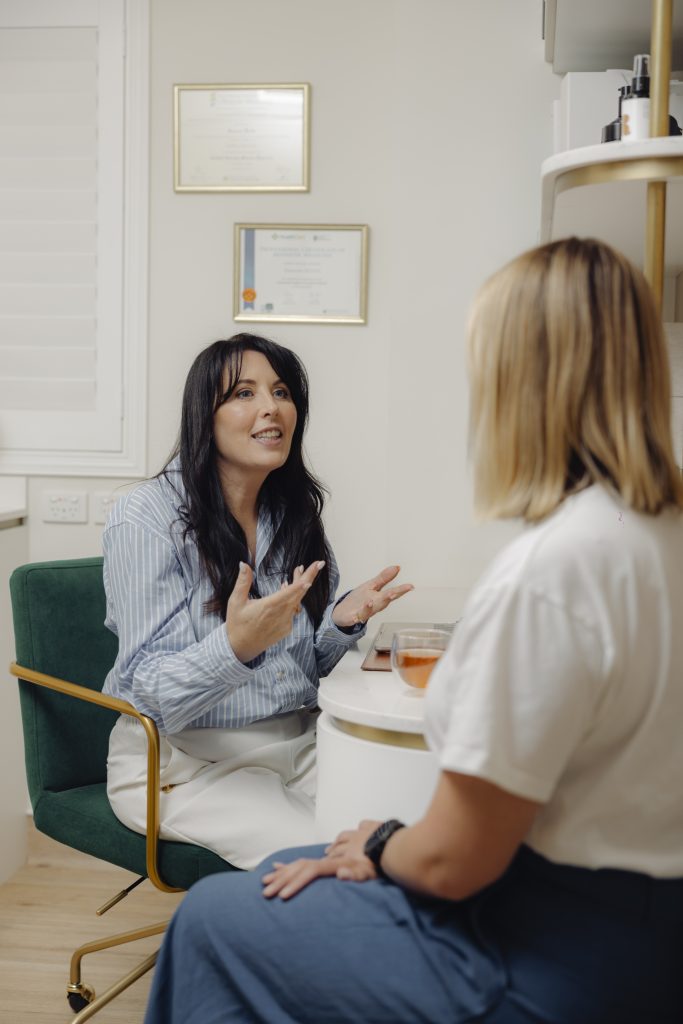
"It's not just in your head. Hormonal hair loss is a real, physiological process and it's very common in perimenopause."
- Dr Shauna Watts -
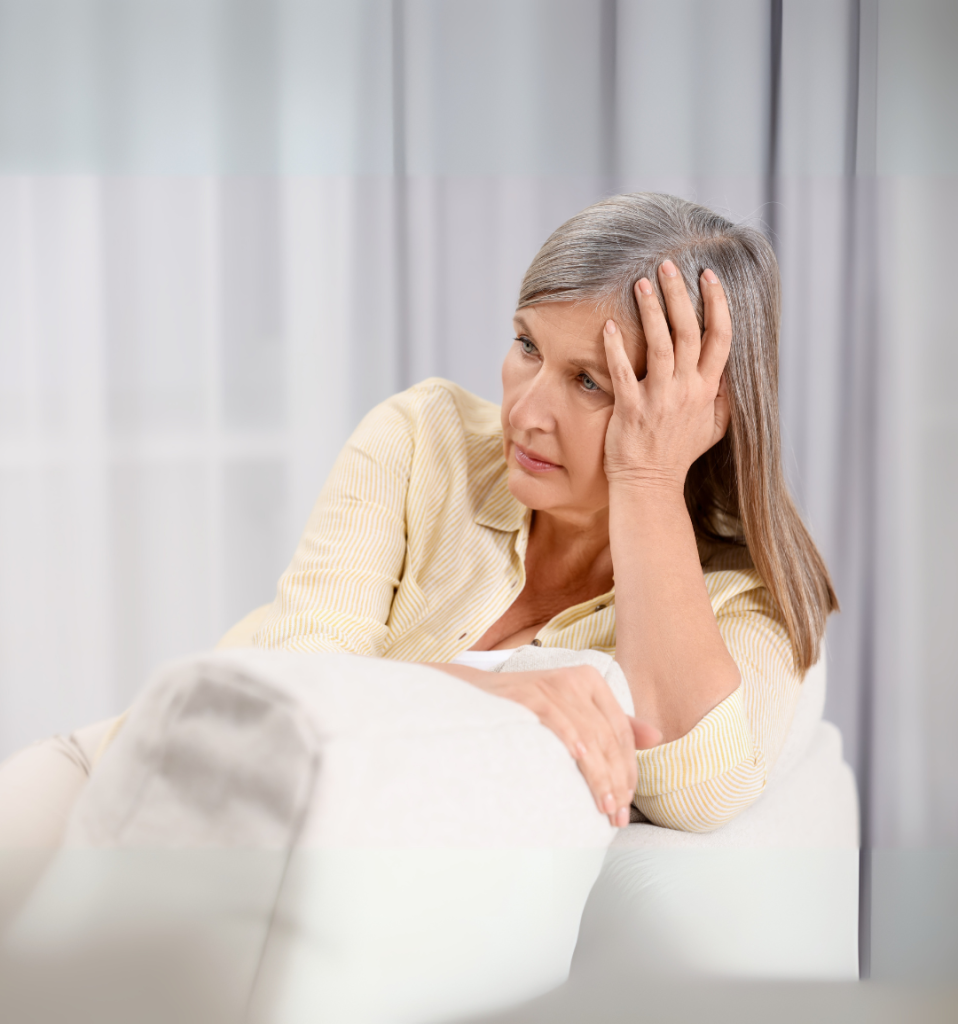
What Other Factors Make It Worse?
Oestrogen isn’t the only driver. Several things can compound hormonal hair loss during perimenopause:
- Low ferritin (iron stores) - this is extremely common in women in their 40s and is one of the first things I check
- Thyroid dysfunction - often overlooked but frequently coincides with perimenopause
- High cortisol from chronic stress - disrupts the hair cycle directly
- Poor sleep - also disrupts hormone regulation and repair
- Nutritional gaps - particularly zinc, biotin, vitamin D, and protein
- Crash dieting or rapid weight loss - a common trigger for diffuse shedding
How Is Hormonal Hair Loss Diagnosed?
Perimenopause-related hair loss doesn’t require a biopsy or a dermatologist referral in most cases. A good GP will take a thorough history and run targeted blood tests, including:
- Full blood count
- Ferritin (not just iron - ferritin specifically)
- Thyroid function (TSH, free T4, and ideally free T3)
- Oestradiol, FSH, and sometimes testosterone
- Vitamin D and zinc
I also look at whether a woman’s hair loss is diffuse (thinning all over) or patterned (typically widening part, thinning at the crown), as this can point to different causes.
Important note: If your hair loss is sudden, patchy, or associated with other symptoms like fatigue, weight changes, or a rash, please see your GP promptly. These can signal conditions that need separate investigation.
What Actually Helps?
The good news is that hormonal hair loss during perimenopause is often very treatable. Here’s what the evidence supports:
Menopausal Hormone Therapy (MHT/HRT)
Restoring oestrogen through MHT can slow or halt hormonal hair loss for many women. It won't work overnight - hair cycles are slow - but over 6 to 12 months, many of my patients notice significant improvement.
Treat Nutritional Deficiencies
Correcting a low ferritin level alone can dramatically improve hair loss in some women. This is why I always check it, even when it's not the first thing women think to mention.
Scalp and Hair Care
Using gentle, nourishing products that support scalp health matters more than most people realise. I've become increasingly interested in haircare that is built around scalp health rather than just the hair shaft - because that's where the change actually begins.
Minoxidil
Topical minoxidil (available over the counter) is one of the most evidence-based treatments for androgenic hair loss in women. It can be used alongside MHT.
Reduce What's Driving It
Addressing sleep, stress, and nutritional gaps isn't just good for your hair - it's good for every symptom of perimenopause. These things are connected.
Frequently Asked Questions
Will my hair grow back after menopause?
For some women, yes – particularly if the hair loss is driven by nutritional deficiencies or acute stress. Androgenic hair loss tends to be more persistent, but many women stabilise and see improvement with the right treatment.
Is perimenopause hair loss permanent?
Not necessarily, particularly when caught early and treated. The sooner you address the underlying hormonal and nutritional drivers, the better your outcome is likely to be.
Does MHT always help with hair loss?
It helps many women, but it’s not the only factor. If there’s an underlying ferritin deficiency or thyroid issue, that also needs to be addressed. A proper work-up matters.
How long does it take to see improvement?
Hair cycles are slow – typically 3 to 6 months. If you start treatment, give it time before you judge whether it’s working.
Central Coast Clinic
The Quarters, 960 Central Coast Hwy, Forresters Beach, NSW 2260 Call: 02 4302 8390
OPENING HOURS
Monday : 9am - 5pm
Tuesday : 9am - 1pm
Wednesday : 9am - 5pm
Thursday : 9am - 7pm
Friday : 8am - 5pm
Saturday : 8am - 3pm
Newcastle Clinic
Suite 16, 10-16 Kenrick St, The Junction, Newcastle NSW 2291 Call: 02 4929 7911
OPENING HOURS
Monday : 9am - 5pm
Tuesday : 9am-1pm
Wednesday : 9am - 5pm
Thursday : 11am - 7pm
Friday : 9am - 5pm
Updates and Insights
Follow Us
Central Coast
Newcastle
QUICK LINKS
© 2026, YOU by Shauna Watts. All right reserved.
Powered by Website Guy
The Quaters, 960 Central coast hwy forresters beach, NSW 2260
Suite 16, 10-16 Kenrick St
The Junction Newcastle 2291